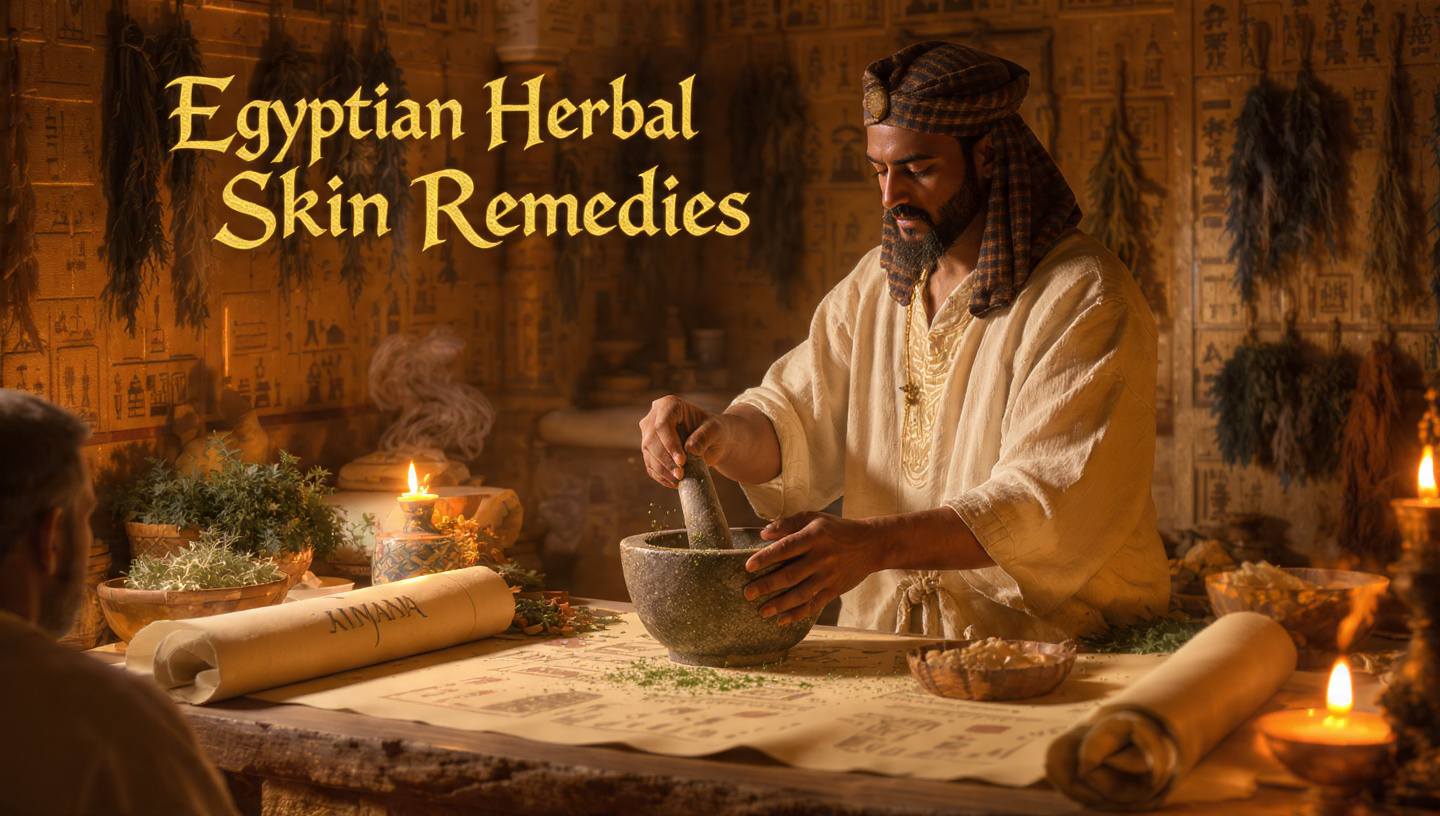
1. The World's First Pharmacists
Long before the modern pharmaceutical industry, the physicians of Ancient Egypt were compiling the world's first comprehensive pharmacopoeia. Developing a sophisticated understanding of botanical medicine, these healer-scientists documented over 800 distinct prescriptions in texts like the Ebers Papyrus, many of which are validated by modern science today.
For the NxtLifestyle reader, this heritage represents a direct line to the biological intelligence of our ancestors. The herbs used for inflammation, wound healing, and detoxification then are the same compounds forming the backbone of clinical skincare and holistic wellness today.
2. The Ebers Papyrus: A Blueprint
The Ebers Papyrus is a 20-meter document detailing remedies for everything from digestive disorders to complex dermatological issues. It specifies precise ingredients, preparation methods, and dosages. Modern pharmacognosy confirms that these ancient formulations contained bioactive compounds with genuine antimicrobial and antioxidant properties.
3. Sacred Herbs of the Nile

Healers combined botanical resins with honey to create potent transdermal treatments.
- Frankincense: Rich in boswellic acids, it inhibits inflammatory enzymes that degrade collagen.
- Myrrh: A cool, preserving resin with broad-spectrum antibacterial activity.
- Blue Lotus: Used to modulate stress hormones and produce visible dermatological benefits.
- Black Seed: Contains thymoquinone, the master regulator of inflammatory gene expression.
4. The Science of Ancient Healing
Egyptian reliance on resins was brilliant. Resins are the plant's immune system, concentrated mixtures designed to protect against pathogens. By formulating these in oil or fat bases, Egyptian physicians ensured these lipophilic compounds could penetrate the skin's barrier effectively—a principle confirmed by modern transdermal science.
5. Preparation Methods
From decoctions in wine to sophisticated enfleurage (cold-fat extraction), the Egyptians mastered the art of capturing the complete phytochemical profile of plants. They used honey as a universal carrier, exploiting its natural osmotic antimicrobial properties to create sustained-release healing poultices.
6. Redefining Your Routine
Incorporating these ancient herbs doesn't require complex rituals. A few drops of frankincense in your moisturizer or a Manuka honey-myrrh mask can deliver potent results. By integrating these botanical systems, you honor a 5,000-year legacy of beauty while harnessing molecular precision validated by contemporary research.
7. Final Thoughts
The Ebers Papyrus is not a relic; it is a living document. The Egyptians understood that plants are complex biological systems whose compounds work in synergy. Integrating these herbs into your modern skincare routine connects you to the eternal pharmacopoeia of the Nile.
Continue Your Journey Through Ancient Medicine
Explore our comprehensive guides to ancient holistic systems:
🛡️ Disclaimer
This article is for educational purposes only and does not constitute medical advice. Consult with a healthcare provider before starting any new herbal regimen.